Design-Build
The Ultimate Guide to Progressive Design-Build
Discover the benefits of Progressive Design-Build: collaboration, flexibility, and efficiency to deliver purpose-driven construction projects on time and budget.
Discover the benefits of Progressive Design-Build: collaboration, flexibility, and efficiency to deliver purpose-driven construction projects on time and budget.
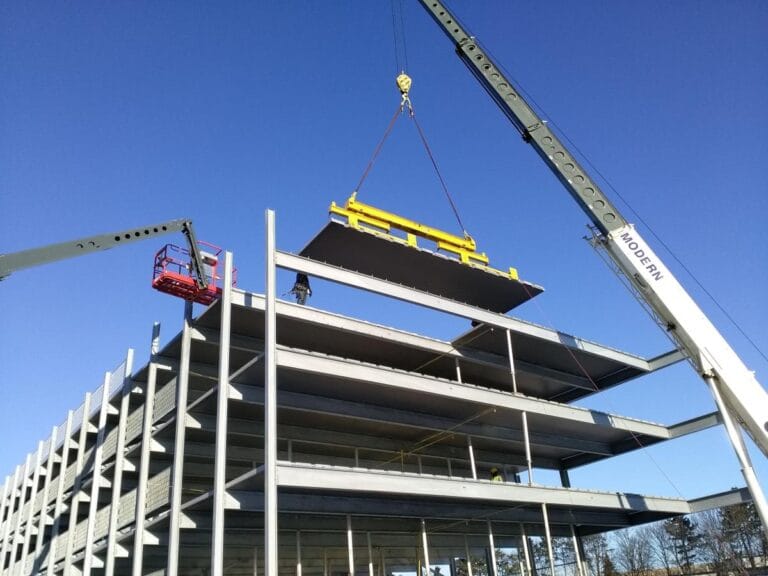
The average above ground parking structure, built using conventional poured-in-place concrete, can take anywhere from 18 to 24 months (and
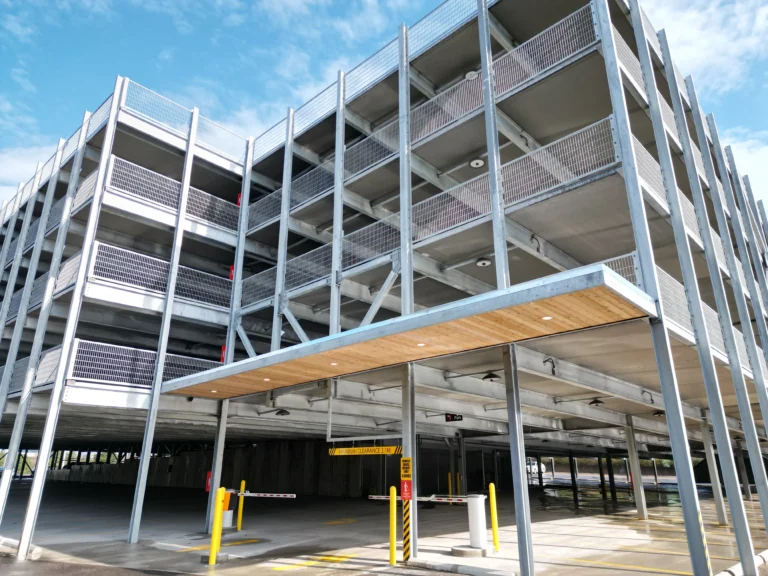
Why Galvanized Steel is Ideal for Parking Structures Parking structures require materials that are both durable and low-maintenance. Galvanized steel
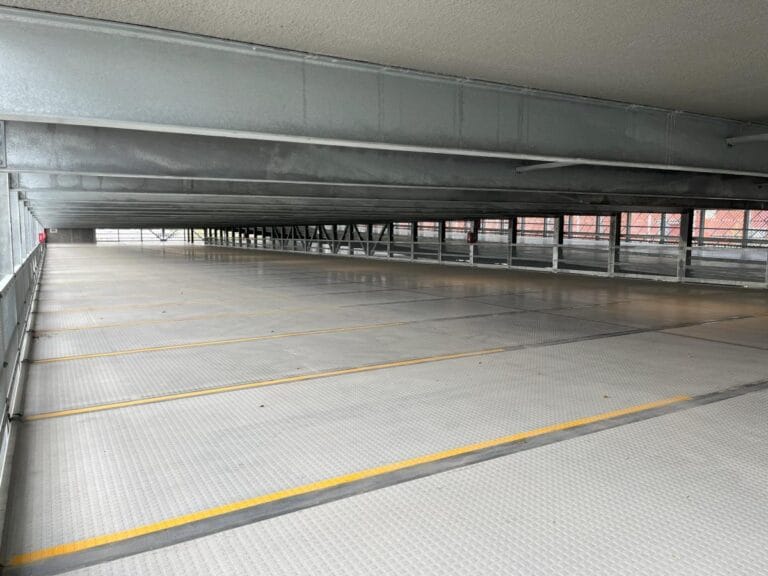
What is CPTED, and Why Does It Matter? Crime Prevention Through Environmental Design (CPTED) is a strategy focused on designing

What Is the Ontario Global Adjustment (GA)? Ontario’s Global Adjustment (GA) is a fee applied to electricity bills to support
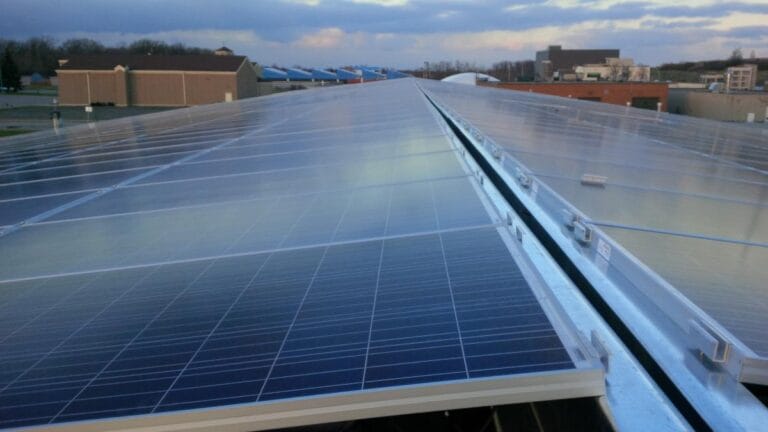
Introduction As energy demand continues to grow, managing peak loads has become essential for both residential and industrial users. Peak
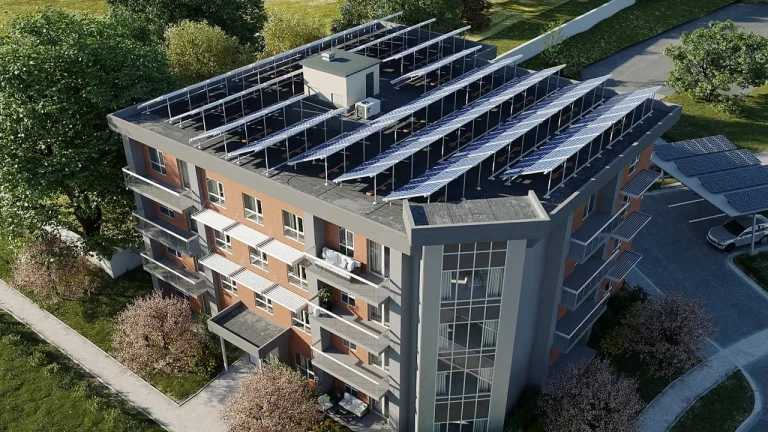
Our buildings achieve net-zero status by integrating solar arrays and geothermal systems, leveraging their highly efficient building envelopes and substantial thermal mass. Exterior insulation and airtight design reduce heating and cooling needs, while solar panels meet electricity demands with renewable energy.
Geothermal systems provide efficient heating and cooling by using the earth’s stable temperatures. Combined with hydronic heating and cooling elements in the concrete thermal mass, these systems maintain consistent indoor climates with minimal energy use. This integration ensures our buildings exceed energy efficiency standards, offering sustainable, cost-effective, and environmentally friendly living spaces.
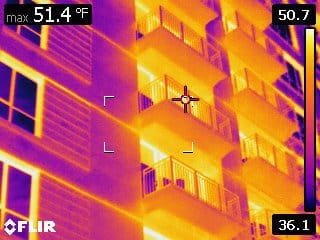
With high insulating value, special care is taken to limit thermal bridging. Thermal bridging occurs when an exterior element is directly connected to an interior element without any thermal breaks. A prime example is when a balcony is simply a cantilevered extension of the floor slab. With this building detail, the cold concrete balcony is a bridge for your heating energy to leave your building.
Kiwi Newton employs thermally broken balconies and facade mounting to eliminate thermal bridges. Instead of a cantilevered balcony, a precast slab is supported on the exterior of the building via columns or ‘wing walls,’ which are thermally broken and structurally separate from the main building walls.
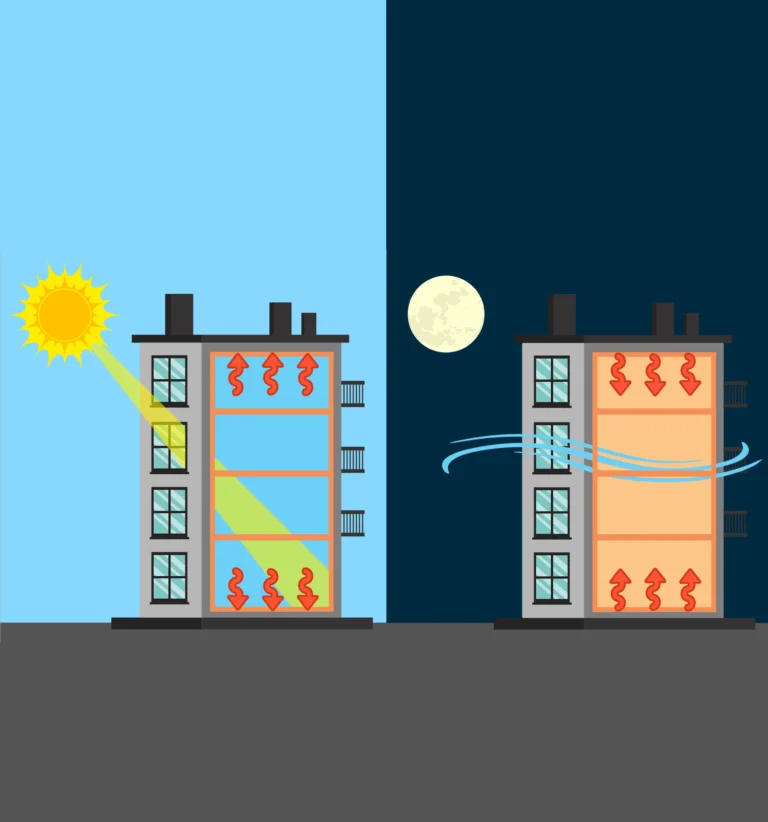
The Kiwi Precast System is built for energy efficiency, with insulation placed on the exterior of the precast concrete walls. This design allows the concrete to act as a thermal reservoir, using its mass to regulate indoor temperatures.
The concrete absorbs heat during the day and releases it at night, helping maintain stable temperatures inside the building regardless of outdoor conditions. Embedded water lines further enhance this process, circulating heated or cooled water through the structure to provide consistent temperature control. This approach reduces energy consumption and operational costs while creating a comfortable, eco-friendly environment.